Masonry ages the means old communities do, with dignity initially, after that with a couple of squeaks and splits that demand focus. A chimney is no different. It lives outdoors through freeze-thaw cycles, burning sun, wind, and the periodic raccoon examination. Inside, it channels fire and acidic results, and it does this for many years with little excitement. When it starts to fall short, though, you can not neglect it. The selection you face is frequently a simple-sounding fork in the road: chimney repair or smokeshaft rebuild. What complicates it is that the ideal response depends upon a mix of security, structure, and economics that isn't obvious from the driveway.
I have actually crawled via even more attic rooms and strolled more sloped roofings than I care to count. I have actually touched block faces with a hammer to hear the hollow thud of delamination and held crumbly mortar in between my fingers that once looked fine from the street. The reality is, a lot of smokeshafts don't need to be reconstructed. Several need targeted chimney repair. Yet when you do require a rebuild, waiting just makes it more expensive and extra disruptive. The goal is to read the indications correctly and act with the appropriate degree of intervention.
What "repair service" really means in chimney work
Homeowners listen to "Chimney Repair" and envision a single fix. Actually, repair is a range. On the light end, it could suggest repointing mortar joints, resealing a crown, or changing a rusted cap. On the heavier end, it includes flue relining and partial restoring of the external stack over the roofline. Every one of those being in the repair work group because they preserve the core framework as opposed to replace it outright.
Repointing addresses mortar that's broken, fine-grained, or recessed however the bordering brick still lives in it. On a sturdy chimney, high quality repointing can acquire one more 20 to 30 years, particularly if the work consists of stonework securing and crown fixing. A crown, the sloped mortar or concrete at the top, typically stops working before the stack does. Once cracked, it channels water straight right into the smokeshaft body. An appropriate crown repair, with a bond break and reinforcement, does much more for durability than any kind of cosmetic tuckpointing alone.
Then there's the flue. Clay flue ceramic tiles crack with warm and age. professional chimney repair Lake Oswego A stainless steel lining or a cast-in-place lining restores the flue to secure procedure without touching the outside brick. I have actually relined flues in 1920s homes where the outdoors brick looked fatigued yet functional, and the liner made all the difference for safety and security and draft.
Partial rebuilds sit at the heavy end of repair. Typically, we restore the smokeshaft "from the roofline up," changing the weather-beaten section exposed to the components while leaving the lower, secured component undamaged. When executed effectively, you keep the chimney's footprint, preserve indoor finishes, and save cash contrasted to a complete tear-down.
What counts as a rebuild
A reconstruct is a replacement of a considerable portion of the chimney, often the whole pile all the way to the firebox or thimble. If the chimney is structurally endangered below the roofline, has prevalent block spalling on several sides, has extreme leaning, or the interior flue course is irreparably harmed, a restore becomes the responsible option.
Rebuilds come in flavors. A roofline-up reconstruct methods taking down and reconstructing the exterior area above the roof covering. A full reconstruct includes demolition down to the hearth or the base in the cellar, occasionally incorporating structure job if negotiation exists. There are also hybrid cases where a full exterior restore pairs with a new liner system within. These are common where historic visual appeals matter and where interior walls conceal much of the shaft but the exterior has actually eaten way too many winters.
Rebuilds are not only about aesthetics or even long life. They are about recovering architectural honesty. When water infiltration has rusted the embedded steel, popped brick encounters, turned mortar to sand, and fractured tiles along the height of the flue, a reconstruct is much safer and, over the life of the home, usually more affordable than hosting repeated patchwork.
The physics that drive failure
Water is the primary villain. It gets in through a broken crown, open mortar joints, permeable block encounters, or around an undersized or missing cap, after that freezes. Water expands about 9 percent when it freezes, and that duplicated micro-expansion imitates a slow-motion jackhammer inside the masonry. After a couple of winters months, you see spalling block faces, expanded joints, and loosened pieces.
Heat and combustion by-products intensify the issue. Timber smoke carries acids that eat at mortar and flue ceramic tile. Gas home appliances create a high-moisture, low-temperature exhaust that condenses in the flue, turning into weak carbonic acid. I have actually seen smokeshafts connected to high-efficiency central heating boilers degrade far quicker than their wood-burning counterparts because low stack temperatures keep the flue damp for lengthy stretches.
Wind and negotiation play their parts. A high, slender chimney acts like a sail. If the mortar is weak, the pile can rack a little over time, turning up as a refined favor the prevailing wind. At the base, inadequate ground or soil motion can telegram go crazy via the block courses. Not every crack is structural, yet patterns matter. Action splits along mortar joints typically indicate structure movement, while arbitrary face cracks on top courses favor freeze-thaw and water ingress as the culprits.
Red flags you can see from the ground
You don't require a harness to identify early difficulty. Stand 20 to 30 feet back and look with a skeptical eye. Block faces that appearance pitted or flaked suggest spalling. Mortar that appears recessed more than a quarter inch from the faces most likely requires repointing. A dark tarnish running from the crown downward can indicate water pathways under the surface area. If the chimney looks like it is tilting about your roofing system ridge or home window frameworks, take that seriously. Also a two-degree lean is substantial on a high stack.
The metalwork tells stories also. A missing or undersized cap allows direct water entrance and critters. A metal chase cover on a factory-built chimney that swimming pools water or oil-cans in the sunlight will certainly fail at the seams. Flashing at the roof covering intersection, if badly stepped or tarred over, frequently conceals leakages that chew at the sheathing and the smokeshaft's lower courses.
From inside, white crusty deposits called efflorescence on the cellar or attic side of the chimney inform you moisture is moving through. In a firebox, broken firebrick or a hairline fracture in the smoke chamber's parging recommend warm stress and anxiety. Smoke smell in areas above after a fire can indicate a compromised flue.
Where fixing shines
Repair addresses problems that are bounded. If wear and tear is restricted to the top 2 to 5 training courses of brick, a roofline-up partial restore with a brand-new crown, appropriate drip sides, and a cap will certainly outlive a basic tuckpointing job by decades. When mortar joints are falling short across the face however blocks stay audio, repointing restores structural cohesion and maintains water out. When flue tiles have actually separated cracks, a stainless lining is a predictable repair that enhances draft and safety.
Repairs likewise radiate when budget plan and interruption issue. A one-day repointing and crown repair work keeps scaffolding marginal and preserves landscape design. Reline jobs typically stay clear of tearing right into finished walls because the liner is fed from the top. If you warm with timber, a liner can likewise support draft in winter and lower creosote build-up by heating the flue.
I remember a 1958 colonial whose smokeshaft had a tatty crown and recessed joints however solid bricks. The property owners was afraid a reconstruct. We repointed the top 6 feet, put a strengthened concrete crown with a bond break and drip side, set up a stainless cap, and applied a breathable stonework water repellent down to the flashing. That chimney, checked 6 years later, looked as crisp as the day we set the crown. The packed cost was under a 3rd of a rebuild.
Where restore is the truthful answer
When a chimney has systemic problems, repair work comes to be a plaster on a broken bone. If greater than 20 to 30 percent of the bricks show spalling on numerous faces, the masonry has actually lost its climate skin. If it leans visibly, there's either base movement or the stack is racking, both of which threaten long-lasting stability. When the flue runs out plumb, severely balanced out, or floor tiles are smashed via several courses, relining alone might not recover a smooth, risk-free path for exhaust.
I worked with a mid-century cattle ranch with a high, unbraced outside smokeshaft that took prevailing wind head-on. Years of water breach rusted the ingrained supports for a put cap. The crown lifted, allow even more water in, and freeze-thaw cycles transformed half the leading training courses into cornflakes. The home owners had spent for two rounds of spot tuckpointing and a topical crown sealer. Both stopped working within 2 winter seasons since the underlying framework was gone. We restore from the roofline up, added a correct crown with expansion joint over the flue, installed a lining, and incorporated a cricket at the uphill roofing system. It has weathered five Minnesota winters months without a hairline crack.
Safety isn't negotiable
A compromised chimney is not simply an aesthetic issue. Loosened bricks can drop. A fractured flue can leakage carbon monoxide gas. A leaning pile can retreat from the house during a tornado. Even little problems create real dangers. The National Fire Defense Organization's 211 conventional calls for assessment 1 yearly for normal solution, inspection 2 when a system modification took place, and assessment 3 when major hazards are presumed. A level 2 examination with a video camera down the flue can disclose cracks you will never ever see from the roof.
If your assessor or mason states spaces at flue joints, ceramic tiles misaligned sufficient to create shelves for creosote, or signs of warm damage in the smoke chamber, treat those findings as a security top priority. It's appealing to wait for spring or for the budget to recover, yet heat period does not forgive delays.
Cost varies that in fact help
Numbers vary by region, Chimney Repair Contractor in Wilsonville elevation, access, and finishes, however useful arrays make intending practical. Repointing localized areas may be a few hundred to a couple thousand bucks. Full-face repointing with scaffold commonly runs in the reduced to mid thousands, relying on height and complexity. A crown rebuild with proper reinforcement and overhang commonly lands in between 1,200 and 3,000 for normal residential smokeshafts, even more for huge impacts or cast-in-place designs. Stainless steel liners range from 1,800 to 5,000 for basic runs, higher for offsets or heavy insulation.
Partial rebuilds from the roofline up can drop in the 4,000 to 9,000 variety for simple heaps. Complete rebuilds that entail demolition to the firebox, new footing job, and careful integration with interior finishes can conveniently get to the mid 5 numbers, especially on tall homes or where block need to match historical facades. These are broad numbers, yet they highlight why getting the medical diagnosis right matters.
How a professional makes a decision: a peek at the assessment process
A comprehensive analysis begins with the outside. We examine block hardness with a hammer faucet, probe mortar joints with a joint raker, procedure freeze-thaw exposure areas, and analyze the crown for splits and density. We verify the cap's size relative to the flue. At the roof, we check flashing for action combination and counterflashing deepness. In the attic, we look for staining on rafters adjacent to the smokeshaft, an indicator of persistent leak paths.
Inside, we do a cam assessment from the leading and, if available, from all-time low. We note offsets, floor tile joints, cracks, proof of backpuffing, and creosote features. We determine the flue relative to appliance size to make sure appropriate draft characteristics. If negotiation is believed, we look for action fractures at the base and contrast measurements at numerous points to assess lean. It's component science, component pattern recognition, sharpened by seeing exactly how fixing approaches age in the genuine world.
The watershed examinations that tip the answer
Some conditions turn the dial decisively:
- Widespread spalling throughout numerous altitudes, integrated with a cracked crown and missing out on cap, points to restore over repointing. The brick faces have lost sturdiness, and covered joints won't quit moisture from functioning inward. A measurable lean or out-of-plumb problem, specifically with base cracks or soft mortar at lower programs, demands at the very least a significant partial rebuild, sometimes complete, to remedy positioning and restore bearing. A flue that fails a camera assessment with numerous balanced out tiles, open joints, or smashed areas recommends cellular lining at minimum. If the outside is additionally falling short or offsets are severe, a restore with a new lining course is often cleaner. A smokeshaft offering a modern-day gas appliance without a proper liner and revealing hefty efflorescence shows persistent condensation. A lining can fix the chemistry, yet if the masonry has actually been filled for several years, prepare for exterior repair or restore paired with water management. Repeated failed repair work in the very same zone within short periods are a signal to quit covering and reset the system with a rebuild that remedies origin like crown layout, blinking, or flue sizing.
Materials and approaches that matter for longevity
Not all "taken care of" chimneys age the very same. Information establish whether you purchase a decade or a generation. Mortar choice need to match the initial block. Many older chimneys were laid with softer lime-rich mortars. Making use of a high-strength modern mortar can make the joints more difficult than the brick, forcing freeze-thaw stress into the brick faces and accelerating spalling. Good masons examination or a minimum of assess the original solidity and select suitable mixes.
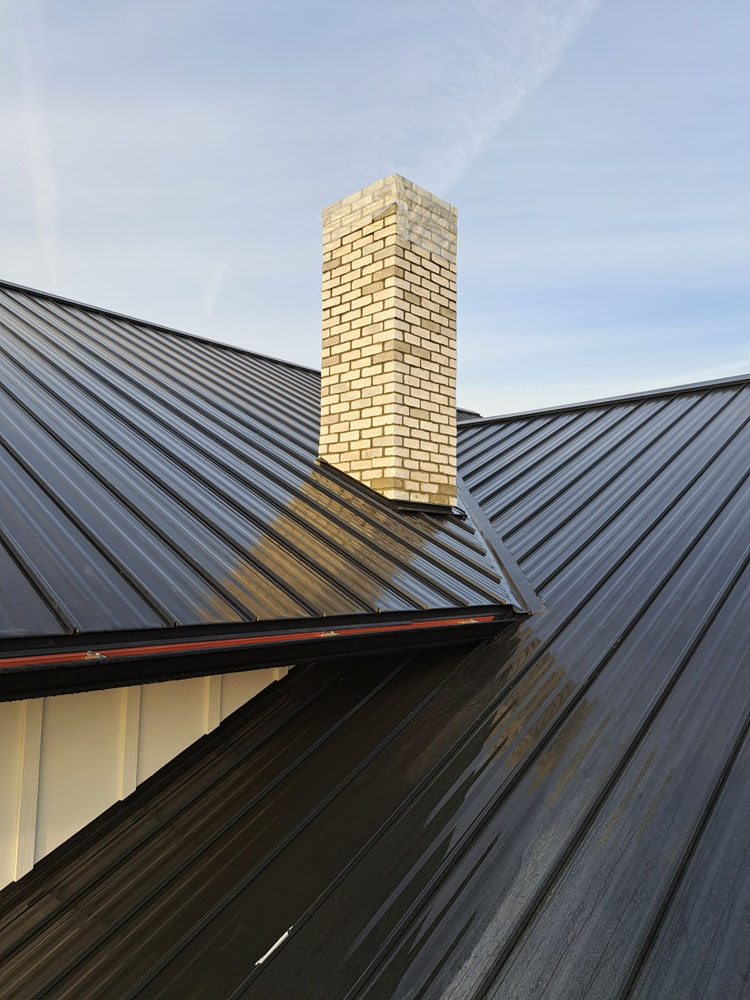
Crowns are usually where tasks go sideways. A slathered mortar wash over the top is not a crown. A sturdy crown goes to least two inches thick at the thinnest point, enhanced, sloped to shed water, cantilevered beyond the block with a drip side, and separated from the flue liner with a bond break to allow thermal motion. The distinction between a spot and a proper crown shows up in the second winter when the patch spiderwebs and the proper crown stays tight.
Liners require to be sized to the home appliance and the flue height, protected where called for, and sustained properly. For timber devices, protected stainless is commonly the right choice. For fireplaces, a cast-in-place lining can bring back shape and stamina to the smoke chamber and flue while boosting draft. For gas, specifically high-efficiency devices, matching flue dimension prevents condensation and maintains the chimney dry.
Finally, water repellents have their area, but only after the masonry is sound. A silane-siloxane breathable sealer can reduce water absorption without capturing moisture, prolonging the life of repointing and block. It is not a replacement for structural fixes.
Historic homes and matching aesthetics
In historic districts, smokeshaft look is more than aesthetic allure, it can be a compliance problem. Salvaging original brick throughout a partial restore aids keep the exterior coherent, but just if the restored devices stay structurally practical. When block needs to be replaced, quest for a match in size, color range, and appearance. Modern modular block commonly stands out against historical dimensions. Lime-based mortars with pigmented sand can replicate aged joints better than off-the-shelf gray.
I as soon as restored the top 9 programs of a 1910 farmhouse smokeshaft using a blend of restored block from the backside and a carefully sourced batch from a recovery backyard. We tooled the joints to a weathered concave that matched the remaining sections and intentionally varied sand hue to avoid the "brand-new directly old shoulders" appearance. It satisfied the historic commission and, a lot more notably, really did not market the repair from the street.
Fireplaces vs. venting appliances
Not all smokeshafts serve wood-burning fireplaces. Many vent furnaces, boilers, or water heaters. These systems transform the repair calculus. Gas devices with low flue gas temperature levels are notorious for developing condensation in stonework smokeshafts. A lining is almost always a must, even if the exterior looks penalty. With oil home appliances, sulfur produces acidic condensate that is rough on ceramic tile. For solid-fuel ranges with connectors that get in a masonry flue, the shift area should have additional focus. A smooth, insulated liner lowers creosote and draft problems and assists the device run in its design range.
For fireplaces, the smoke chamber and throat form are important. Parge finishes that smooth the smoke chamber drastically enhance flow and reduce turbulence. If smoke curls into the space even after the flue is verified open and tidy, look for a too-large firebox relative to flue area, wind disturbance, or a chimney that is shorter than neighboring rooflines. Fixings that change geometry, like a top-sealing damper or a smoke guard, can address a surprising variety of draft issues without touching the exterior stack.
Timing the deal with the seasons
Masonry chooses modest weather. Springtime and autumn are ideal, with temperatures above 40 degrees for numerous days and reduced humidity to let mortars remedy. In chilly environments, winter work is feasible with tenting and warm, yet it adds price and danger. Summer warm is practical, though blazing sunlight on dark block can accelerate drying as well swiftly and damage joints unless the crew handles dampness. If you're intending a restore, schedule early. Preparations climb with roof season, and shared scaffolding between trades can conserve money and headaches.
Insurance, allows, and documents that conserve you later
Significant chimney job frequently falls under local authorization needs, specifically rebuilds and liner installations. Drawing a license shields you. It calls for code compliance and offers you documentation for the following customer or for an insurer. Mentioning insurance, stonework deterioration from age is typically not covered, but damages connected to a covered risk, like a lightning strike or a dropped tree, might be. After tornados, I have actually recorded lightning marks on crowns that traveled down rebar and stood out block faces. Good photos and an accredited report enhance your odds.
Ask your service provider for proof of certificate and insurance, a created extent, and information on products, from mortar type to lining grade. Warranties differ. A top quality stainless liner might carry a life time transferable service warranty when mounted by a qualified tech. Masonry guarantees often cover craftsmanship for one to 5 years. Check out the small print. Some guarantees require caps and regular evaluations to remain valid.
A straightforward decision aid you can use
Use this quick working checklist prior to you call for quotes. It won't change a professional inspection, but it assists frame the conversation:
- If damage is top-limited, bricks are mostly sound, and joints are recessed but firm inside your home, fixings like repointing, a brand-new crown, and a cap are likely sufficient. If numerous faces show spalling, the chimney leans, or there are stair-step fractures near the base, prepare for at least a partial reconstruct, possibly full. If a degree 2 camera evaluation finds cracked or offset flue tiles, include a lining to any kind of fixing strategy, and if the outside is also failing, take into consideration reconstructing the pile while you go to it. If your smokeshaft vents a modern gas device and shows efflorescence or moisture, prioritize a properly sized, protected liner to quit continuous damage. If you have actually already spent for area repair services more than when in the past five years on the exact same smokeshaft section, consider a restore to stop the cycle.
What great workmanship looks like when they load up
A trustworthy crew leaves a smokeshaft that loses water, takes a breath without leaking, and appears like it belongs on your home. Joints must be complete and limited, tooled constantly, and flush where meant. The crown must have a visible overhang with a drip side that leaves a thin shadow line on warm days. Blinking need to tip with the roof shingles, with counterflashing neatly tucked and mortared into reglets, not smeared with tar. The cap ought to be sized to fit the flue, with mesh that maintains pets out without choking draft.
Inside, the flue liner must be constant, supported, and protected where code or conditions need. If a smoke chamber was parged, the surface ought to seem like great stucco, not harsh mortar. Paperwork should include liner specs, photos prior to and after, and any type of code recommendations for clearances and products utilized. These details are not fussiness. They are the distinction in between paying once and paying again.
When to obtain a second opinion
If a contractor leaps to "full reconstruct" 5 minutes right into the go to without a camera assessment or roof covering examination, obtain another point of view. Alternatively, if someone guarantees to fix a significantly leaning chimney with "high-strength mortar and sealer," maintain your budget shut. Great tradespeople explain their reasoning, reveal you photos, and are comfortable with you asking about options. When owners understand why the referral matches the condition, work run smoother and results last longer.
The bottom line: match the solution to the failure
Chimney Repair gains its keep when damage is localized and the framework still has a foundation. Rebuilds are called for when the system is tired in the bones, not simply the skin. Looking for early indications, working with a pro that evaluates with rigor, and insisting on materials and approaches that respect your home's age will certainly keep you out of the patch-and-pray cycle. Fire, gas, and climate will keep doing their work. If your smokeshaft is built and preserved with equivalent seriousness, it will do its job silently for decades, which is the most effective praise a chimney can get.